Hattiesburg sits in the middle of Mississippi's Pine Belt, a region characterized by longleaf pine forest, timber and paper industry, and the particular Deep South working-class culture that those industries produced over a century of dominance. The University of Southern Mississippi gives the city its intellectual and creative infrastructure, and the student body, drawn largely from across Mississippi and the surrounding South, brings its regional musical backgrounds into a listening community that is actively engaged with contemporary country and Americana. Chad Sanders' Alabama roots are geographically close and culturally continuous with the Mississippi Pine Belt, and his Cosmic Country catalog finds natural resonance in a community that knows the Deep South's terrain from the inside.
The Pine Belt has its own distinct character within Mississippi's cultural geography, different from the Delta's blues-saturated flatland, different from the coast's Mardi Gras culture, different from Northeast Mississippi's hill-country traditions. This is working-pine-country, where the trees define the horizon and the mills defined the economy, and where country music has always been the soundtrack for working people who didn't have the Delta's celebrity or the coast's tourist infrastructure. That context creates listeners who respond to directness and authenticity over polish.
Leave A Little Dust and Pedal To The Floor carry the forward momentum that communities like Hattiesburg understand from experience, not the ambition of abundance but the drive of people who know that momentum is something you have to maintain because there's nothing keeping you moving except the decision to keep moving. That's a Pine Belt value, and it's a Sand Mountain value, and they're recognizable to each other.
American Dream and Alabama 2.0 speak across the state line without losing anything in translation. The South's shared experience of working-class aspiration, of building a life from difficult starting materials, of taking pride in a regional identity that the national media has historically undervalued, these are not state-specific. They're Southern-specific, and Hattiesburg listeners carry them.
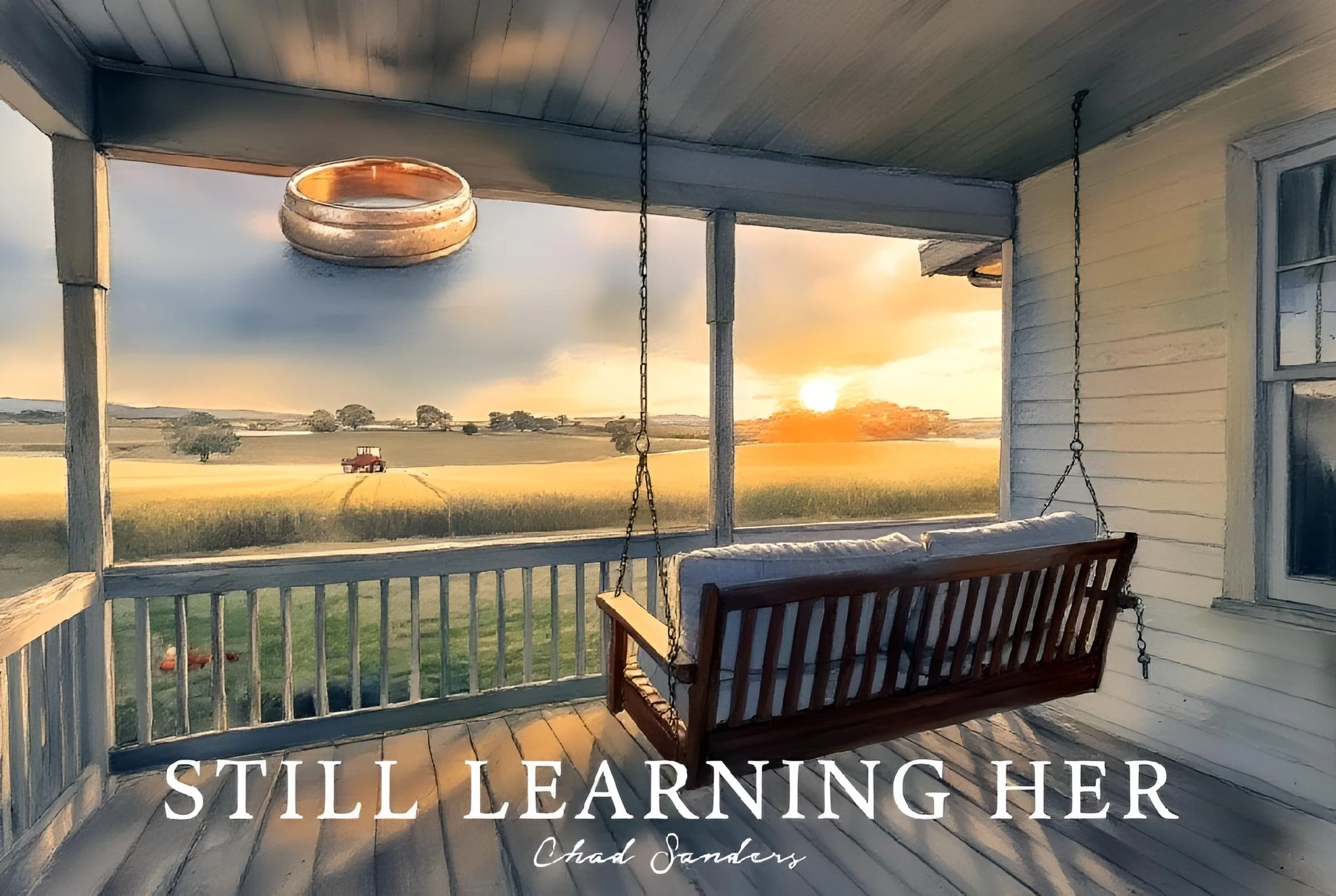
Hattiesburg's Pine Belt setting, its University of Southern Mississippi intellectual culture, and the working-class timber-industry heritage of the region create a country music audience shaped by Deep South experience and a strong instinct for music that speaks from real, specific places.

.webp)